San Andres Travel Guide
Practical San Andres travel advice: the best time to visit, how to reach the island, getting around, money and the tourist card, language, and where to stay.
San Andres is easy to visit but has a few quirks worth knowing before you arrive. This practical guide covers the essentials - when to come, how to get there and around, money, language and where to base yourself - so you can spend your time in the water rather than sorting logistics.
When to visit
San Andres is warm all year, with sea temperatures around 28°C and air temperatures in the high 20s to low 30s. The drier, breezier months of December to April are the most reliable for boat trips and diving, and also the busiest and priciest, peaking over Christmas, New Year and Easter. September to November is the wetter, more humid stretch and the edge of Caribbean hurricane season; rain tends to come in short bursts and prices drop, but the far-out trips like Cayo Bolivar are more likely to be blown out. For a balance of good weather and smaller crowds, aim for May-June or late November.
Getting there
The only practical way in is to fly. San Andres has an international airport a short walk from the North End hotels, with direct flights from several Colombian cities and some international connections. Two things every visitor needs:
- A tourist card (tarjeta de turismo), bought before you board your flight to the island - keep it safe, as you may be asked for it on departure.
- Awareness that San Andres is a protected reserve with a cap on visitors; book flights ahead in high season.
Getting around
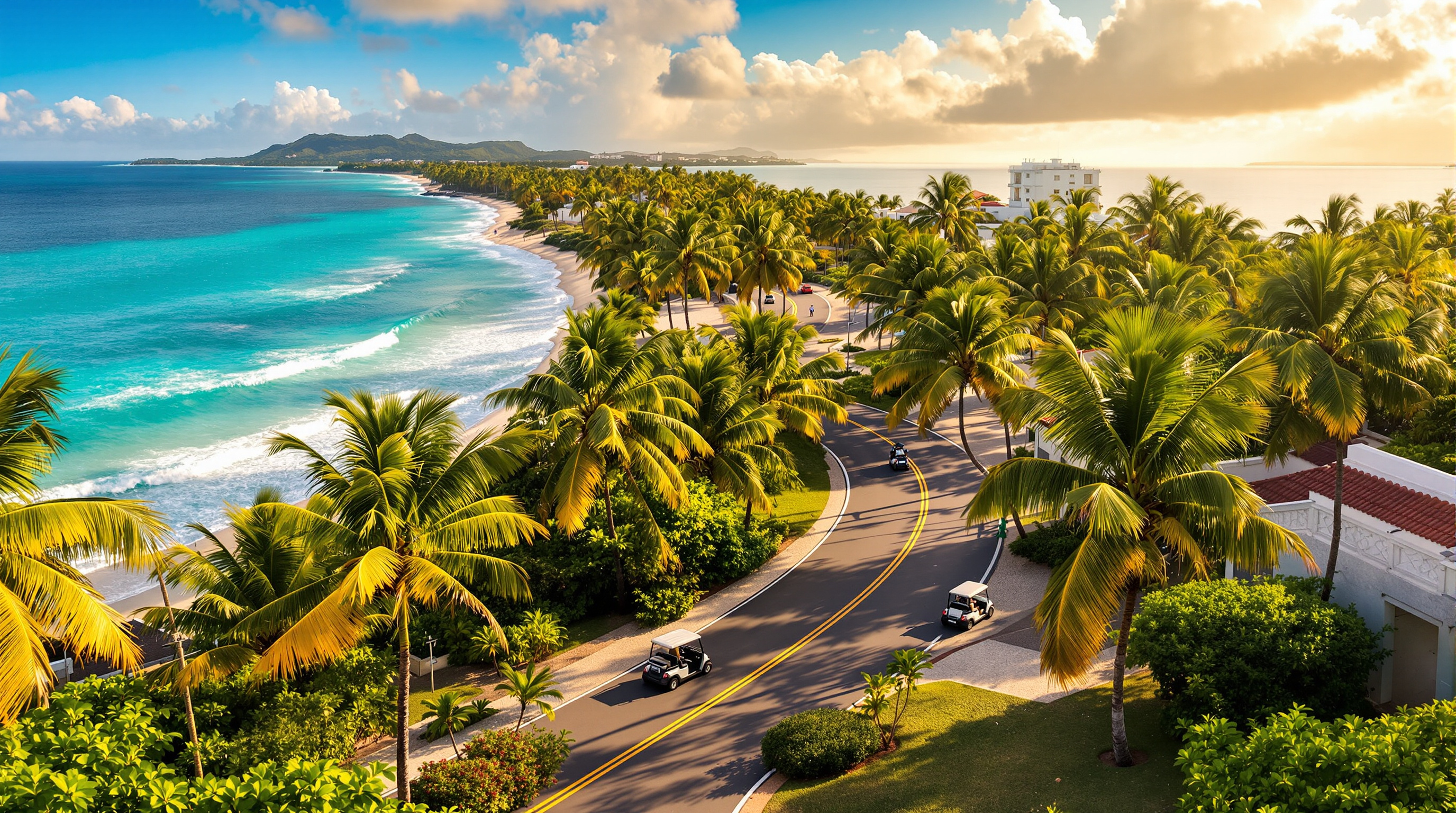
The island is tiny and the coastal Circunvalar road loops it in about an hour. Popular options: rent a golf buggy (mula) for a fun day circling the island, hire a moped if you are confident on two wheels, flag the cheap local buses and colectivos that run the main routes, or use taxis for short hops (agree the fare first). You will not need much - most visitors walk everywhere in North End.
Money, language and connectivity
- Money: the currency is the Colombian peso. Card is accepted in larger places, but carry cash for boats, beach restaurants and the cays.
- Language: Spanish is the working language; many Raizal islanders also speak English and San Andres creole. A little Spanish goes a long way, and a creole greeting even further.
- Duty-free: San Andres is a free port, so perfume, alcohol and electronics can be cheap - but check prices, as not everything is a bargain.
Building the itinerary around the sea
The single most useful piece of planning on San Andres is deciding which days belong to the water, because the weather decides for you more often than you would like. The far trips - Cayo Bolivar above all - only run when the crossing is calm, so treat them as a moveable feast: pencil one in early in your stay and keep a spare day later in case it blows out. The near cays and the reef sites are far more forgiving and can absorb a windy morning. If you are diving, sequence the reef days first and leave the final day dry, so the surface interval before your flight is generous rather than tight. And build in one slow day with nothing booked at all - on an island this small, the unplanned afternoons are usually the ones people remember.
Where to stay
Accommodation runs from big North End hotels near Spratt Bight to quieter guesthouses and native-owned posadas nativas in San Luis and La Loma, where you stay with a Raizal family and eat home cooking. This is an independent guide and we do not take bookings or represent any property; compare and reserve directly through the hotels themselves or the usual travel booking platforms. If you want the most authentic experience, look into the posadas nativas - staying with a local family supports the community and gets you closer to the real island.
A few final tips
Bring reef-safe sunscreen (regular sunscreen harms the coral), a refillable water bottle, and cash for the cays. Respect the reserve's rules, tip good guides, and slow down - San Andres runs on island time, and the sooner you do too, the better your trip will be.
Now match the seasons to the trips on our tours page, or read what makes the island tick in The Island.