Independent Island Guide
San Andres: A Guide to the Sea of Seven Colors
An independent traveller's guide to San Andres, Colombia: diving the barrier reef, day trips to Johnny Cay, El Acuario and Cayo Bolivar, island food and practical tips.
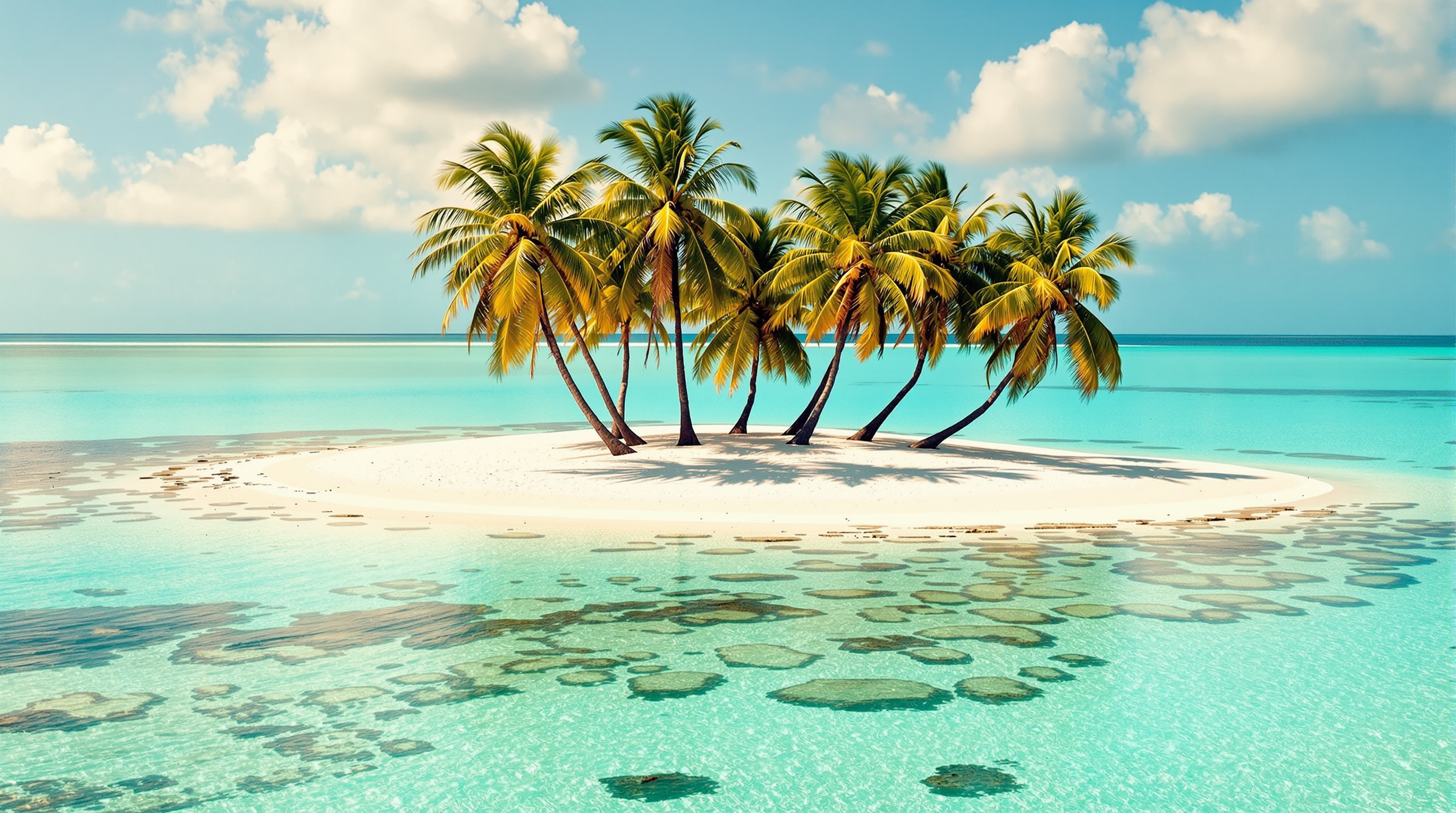
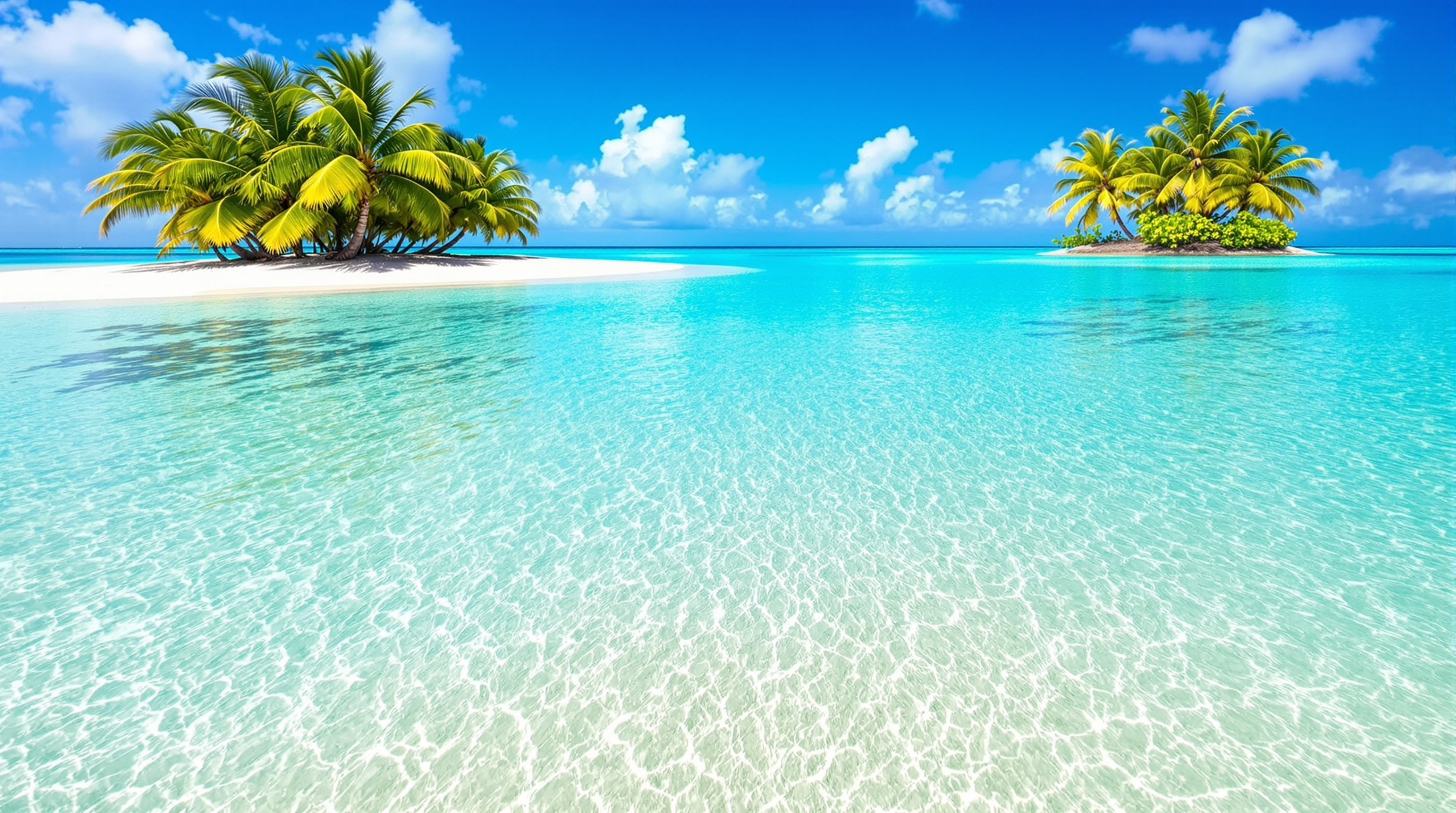
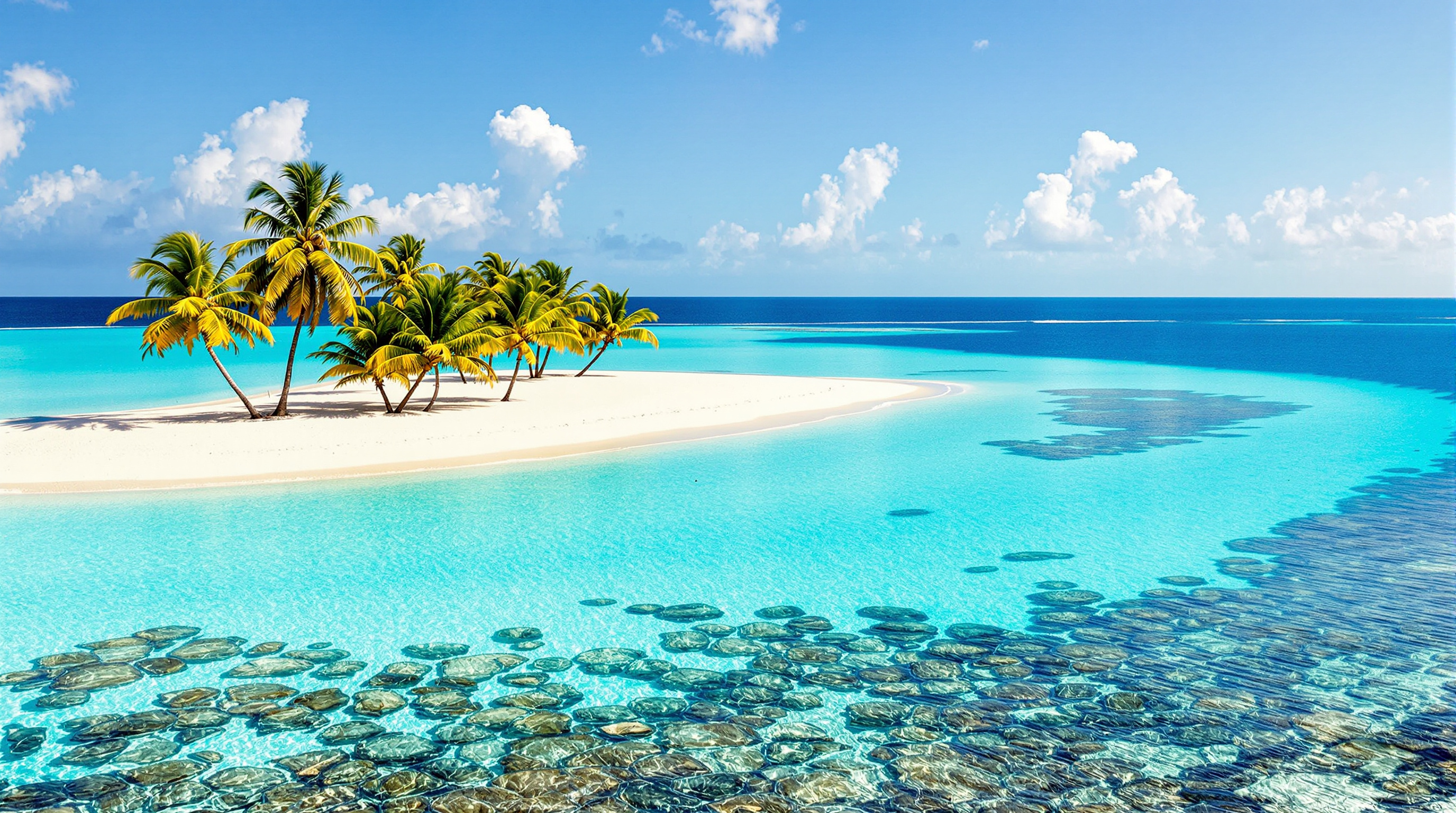
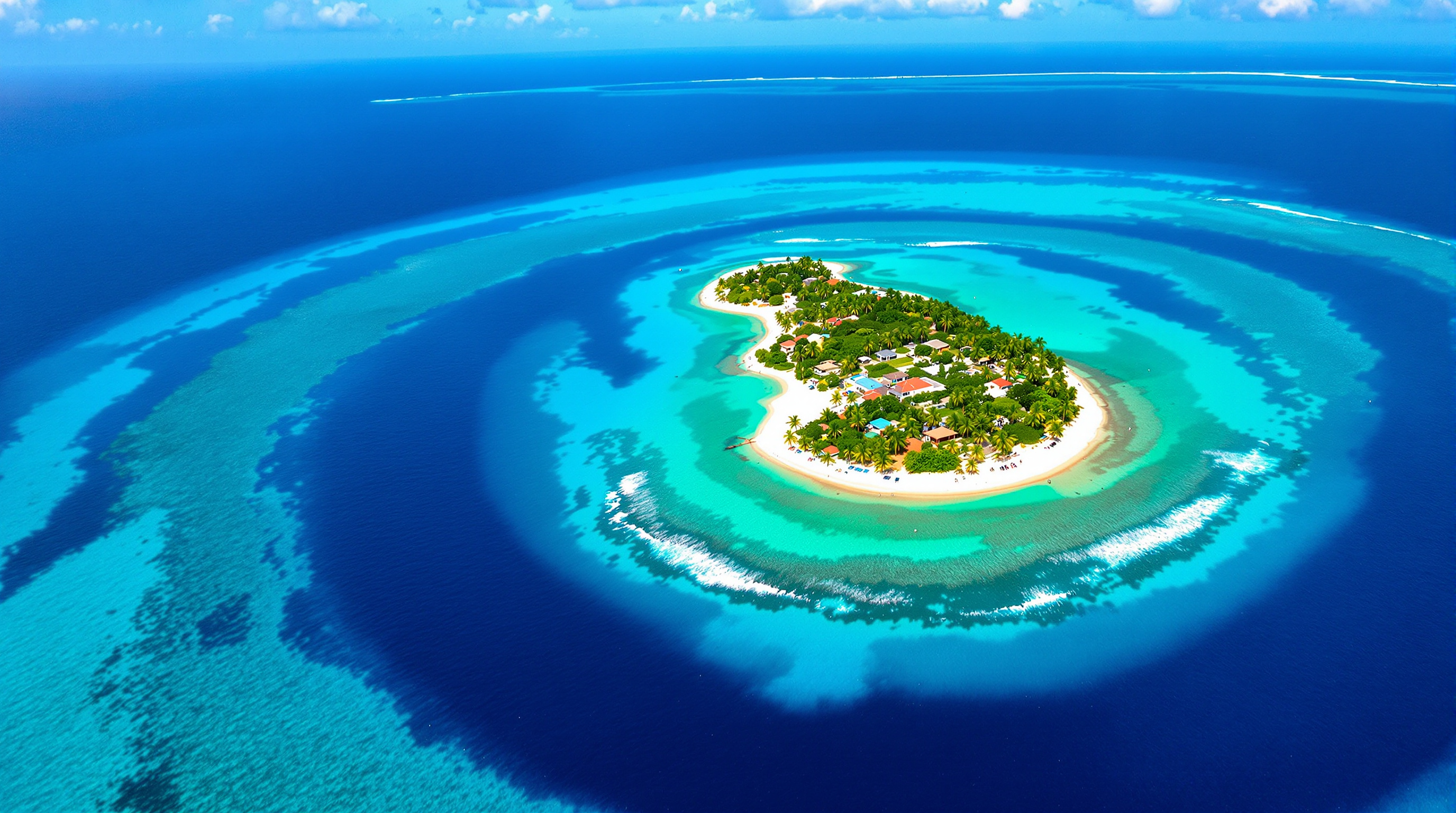
San Andres is a small coral island adrift in the western Caribbean, closer to Nicaragua than to the Colombian mainland it belongs to. Barely thirteen kilometres from tip to tip, it is ringed by a shallow lagoon so clear and so layered with turquoise, jade and cobalt that locals long ago named it el mar de siete colores - the Sea of Seven Colors. This is an independent visitor guide to the island: what to dive, where the boats go, what to eat, and how to travel here with a light footprint.
We are travellers and divers, not a hotel or a tour desk. Think of these pages as the notebook a friend who lives on the island might hand you before your first trip - honest, specific and focused on the reef and the roots of the place rather than on all-inclusive resorts.
Why San Andres is different
The whole archipelago of San Andres, Providencia and Santa Catalina sits inside the Seaflower Biosphere Reserve, one of the largest protected marine areas in the Caribbean and a UNESCO-designated reserve. That protection is the reason the water is still so alive: a barrier reef - the third longest in the world - loops around the island, sheltering seagrass meadows, coral walls and more than a hundred species of fish and coral. You can read about the reserve at UNESCO's Seaflower Biosphere Reserve profile.
The island's culture is just as distinctive. San Andres is the home of the Raizal people, an Afro-Caribbean community with roots in English-speaking Protestant settlers and enslaved Africans. Many islanders speak an English-based creole alongside Spanish, worship in centuries-old Baptist churches on La Loma hill, and cook a Caribbean cuisine that owes more to Jamaica than to Bogota.
Start here
- The Island - geography, the Raizal people and the Sea of Seven Colors.
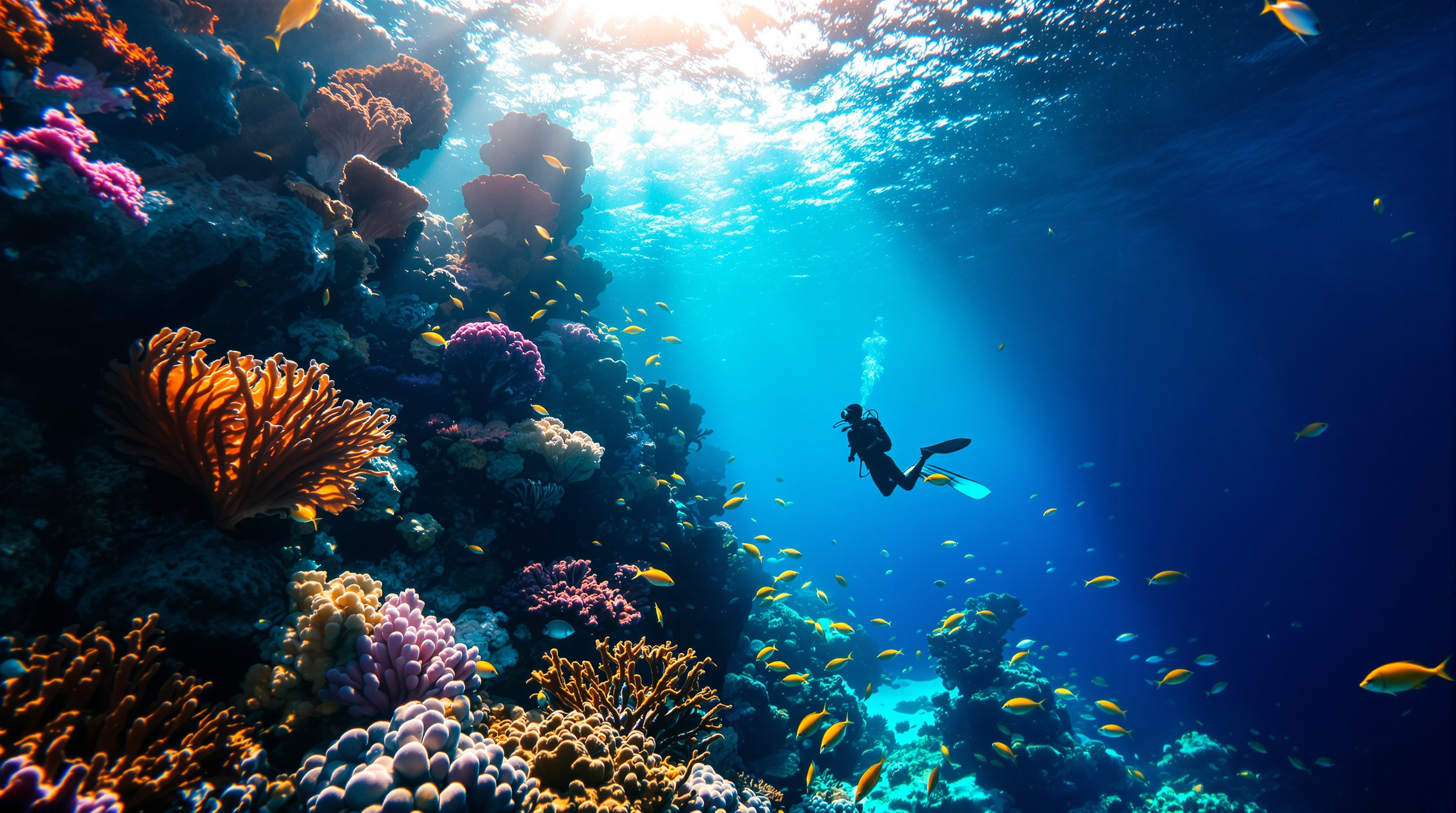
- Diving & snorkelling - the barrier reef, walls and wrecks, PADI centres and warm year-round water.
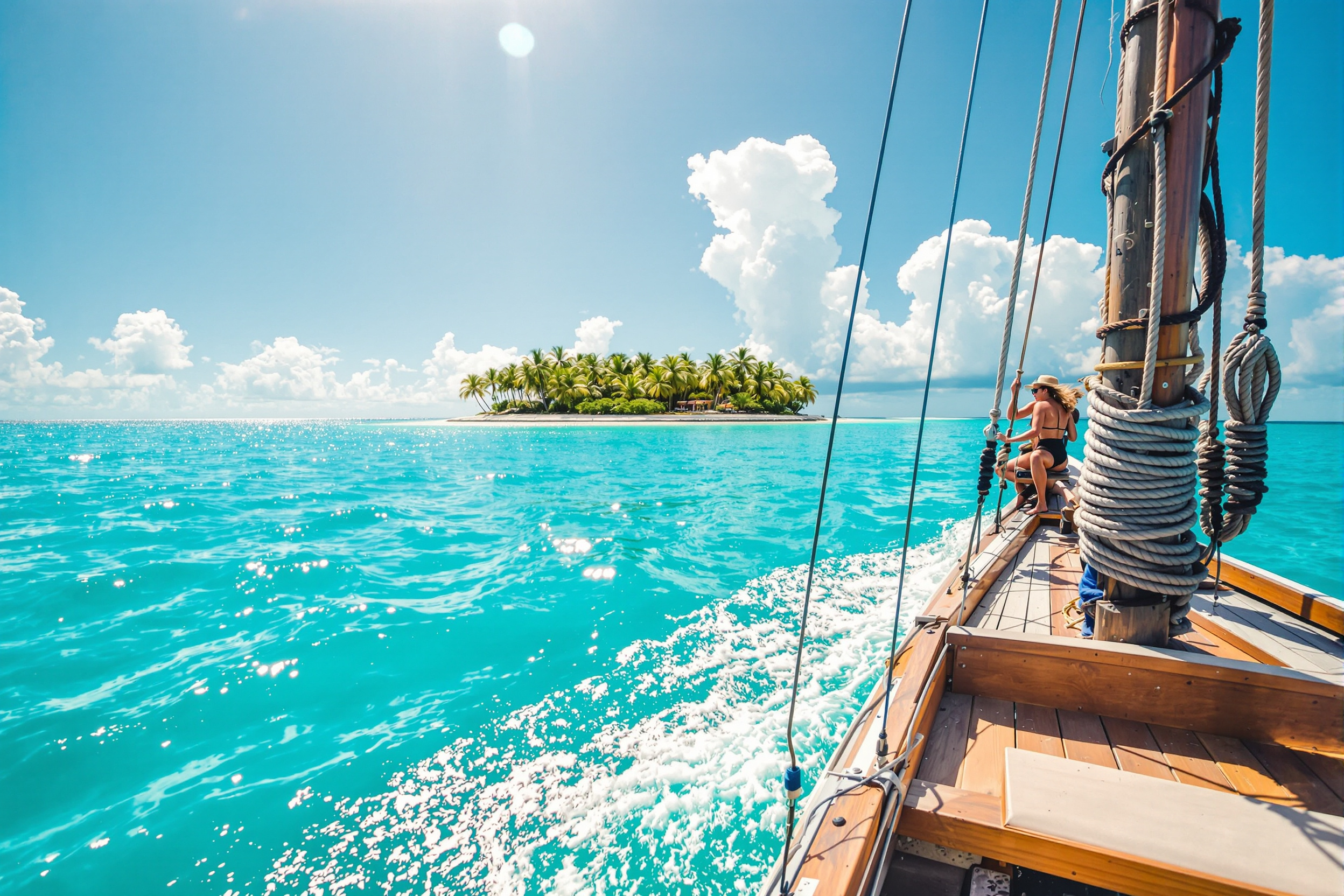
- Johnny Cay, El Acuario & Haynes Cay and Cayo Bolivar - the classic boat trips to the cays.
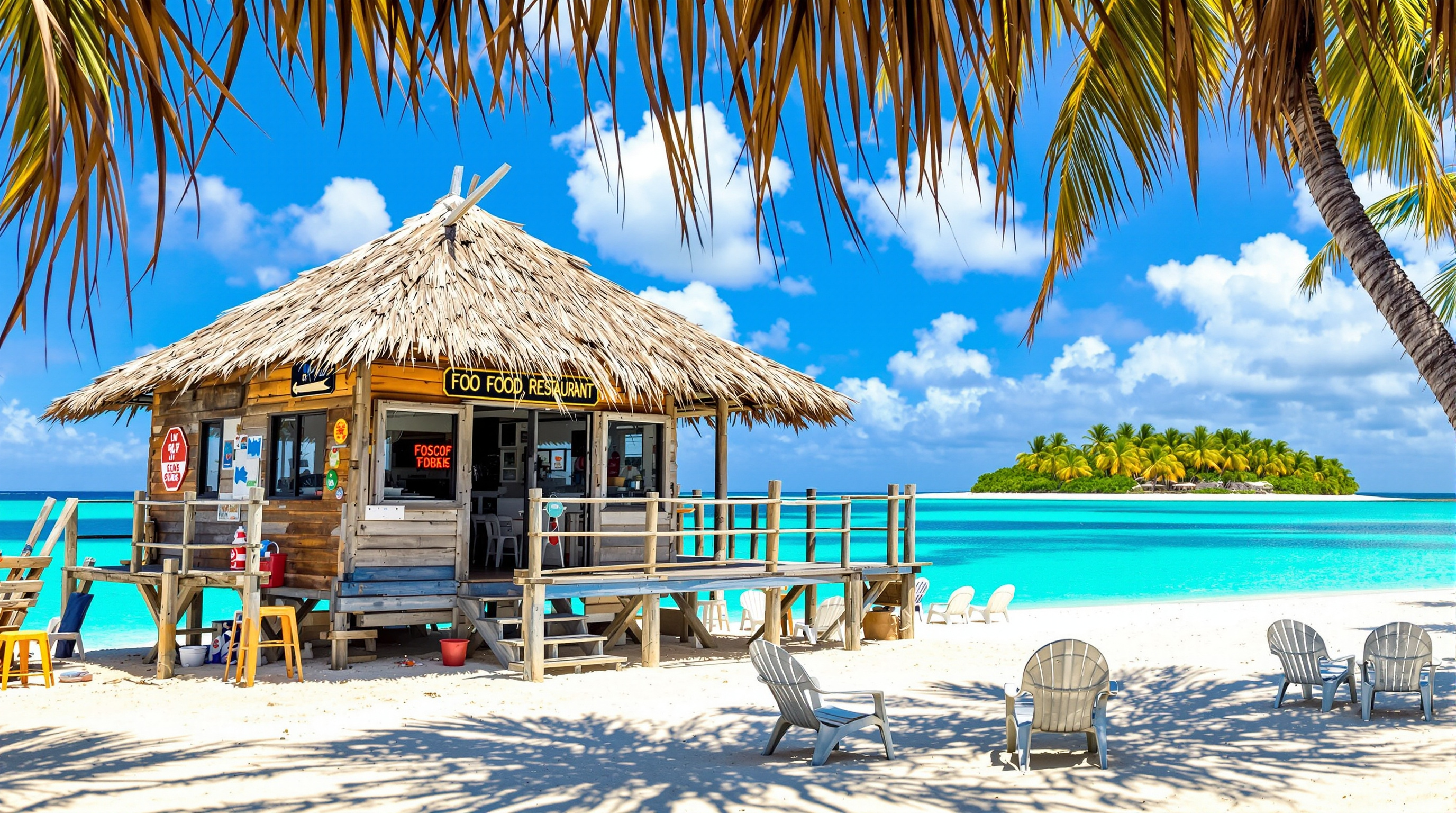
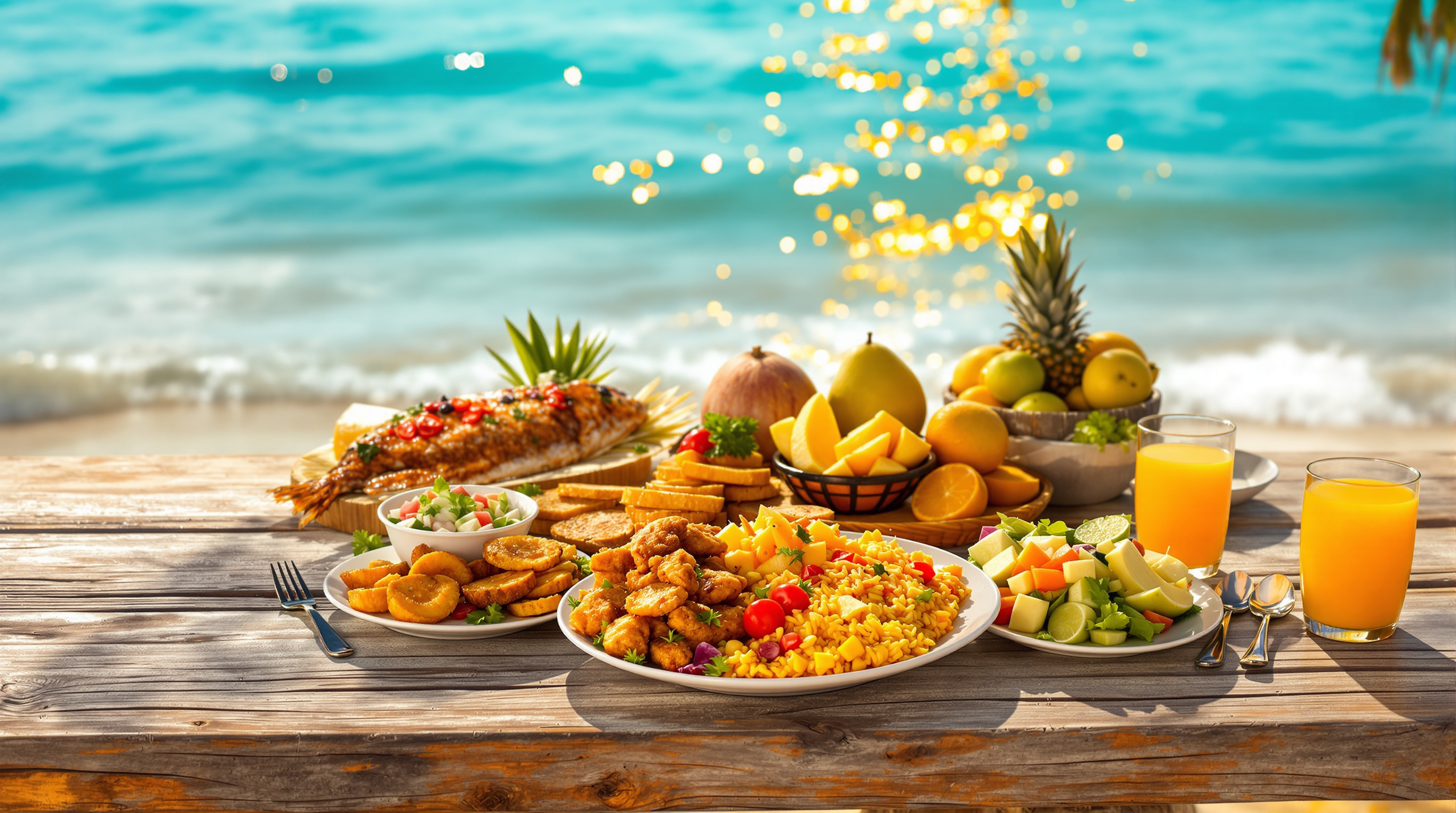
- The Fisherman's Place and island food - where to eat fresh fish with your feet in the sand.
- Tours & excursions and the practical travel guide - getting here, getting around and when to come.
The shape of a good San Andres trip
Most visitors stay three to five nights, and that is enough to fall into the island's rhythm. A typical week mixes a couple of dive mornings on the reef with lazy afternoons on Spratt Bight, the long main beach in the north; a boat day out to the cays, snorkel mask in hand; a half day driving the coastal Circunvalar loop to the West View and the Hoyo Soplador blowhole in the south; and at least one unhurried lunch of fried fish and coconut rice at a beach shack where the catch arrived that morning.
Because the island is small and flat, you never need to plan too hard. Rent a golf buggy or a moped for a day, follow the single road that hugs the coast, and let the colour of the water tell you where to stop.
One thing worth planning, though, is the diving. If you have come for the reef, resist the urge to book a dive every single morning: the water is warm and the sites are close together, which makes it easy to stack up more days than your body really wants, and the fatigue tends to arrive quietly on the fourth or fifth. Two or three dive mornings spread across a five-night trip, with a cay day or a Circunvalar day in between, gives you better dives and a better holiday. The last day matters too - leave it out of the water, so that your surface interval before the flight home is comfortable rather than calculated in a hurry at the airport. Our guide to pacing a multi-day dive trip sets out how the reef days fit together, and which sites suit which level of diver.
Travelling responsibly
San Andres is beautiful but fragile. Fresh water is scarce, the reef is easily damaged, and the island's population has grown far faster than its infrastructure. Small choices matter: refuse single-use plastic, never touch or stand on coral, choose reef-safe sunscreen, and spend your money with Raizal-owned restaurants, dive shops and boat captains so tourism supports the community that keeps the island alive. Colombia's official tourism board has a helpful overview of the destination at Colombia.travel.
Whether you are here to log dives on a pristine wall, to swim between two cays in waist-deep glass, or simply to eat well and do very little, this guide is here to help you see the real San Andres.
7
Colours of the sea
28°C
Water, year-round
~13 km
Island length
UNESCO
Seaflower Reserve
Explore the island