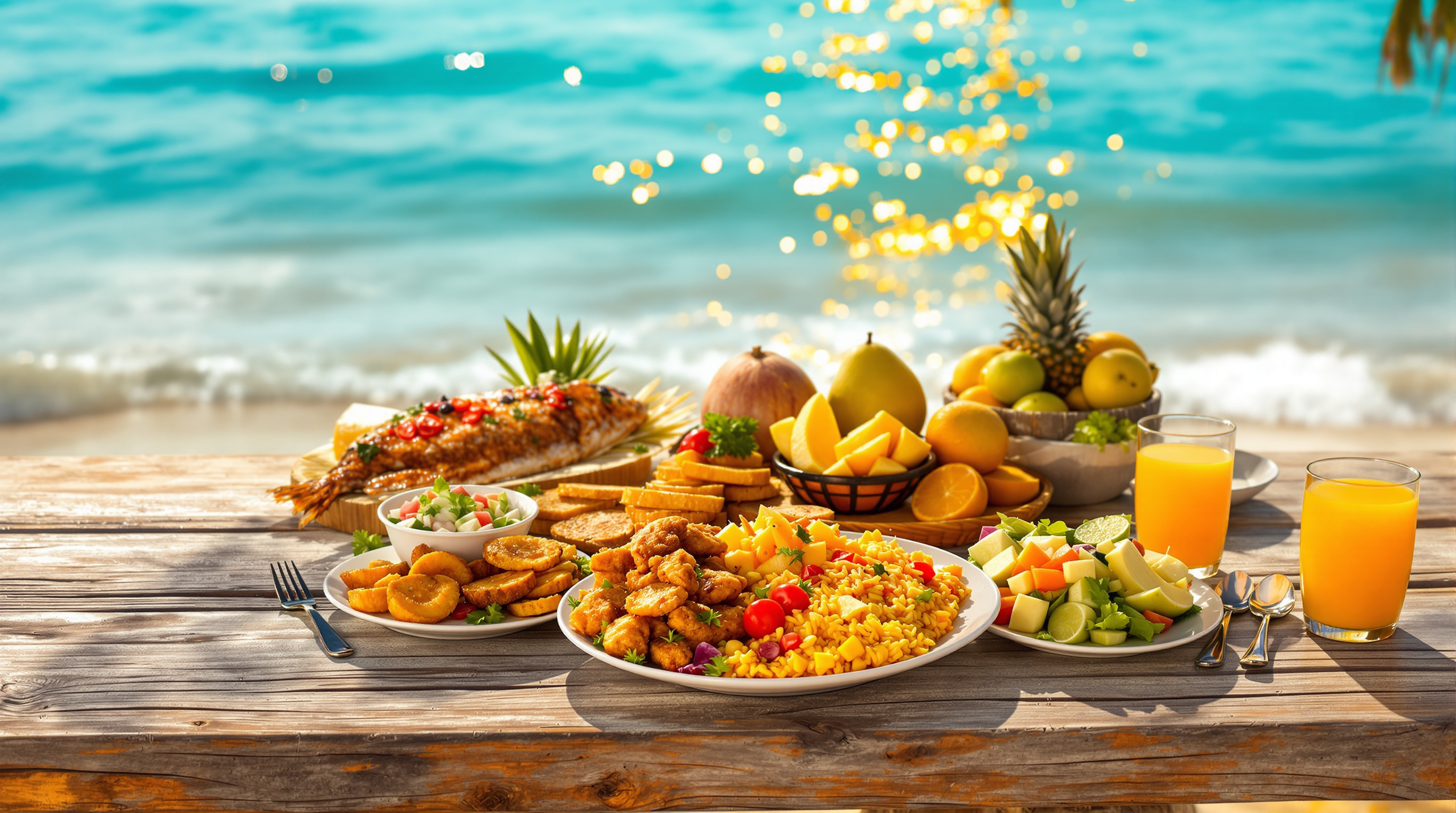
Island Food: Eating the Real San Andres
What to eat on San Andres: the island's signature rondon, fresh fried fish and coconut rice, breadfruit, and the native-owned restaurants that serve real Raizal cooking.
San Andres food is Caribbean to its core - far closer to Jamaica than to Bogota. It is built on the sea, the coconut and the breadfruit, seasoned by the Raizal community's Afro-Caribbean heritage, and at its best it is some of the most satisfying eating in Colombia. Skip the international chains near the duty-free shops and go looking for the small, native-owned kitchens where the recipes have been handed down for generations.
Rondon: the island's soul dish
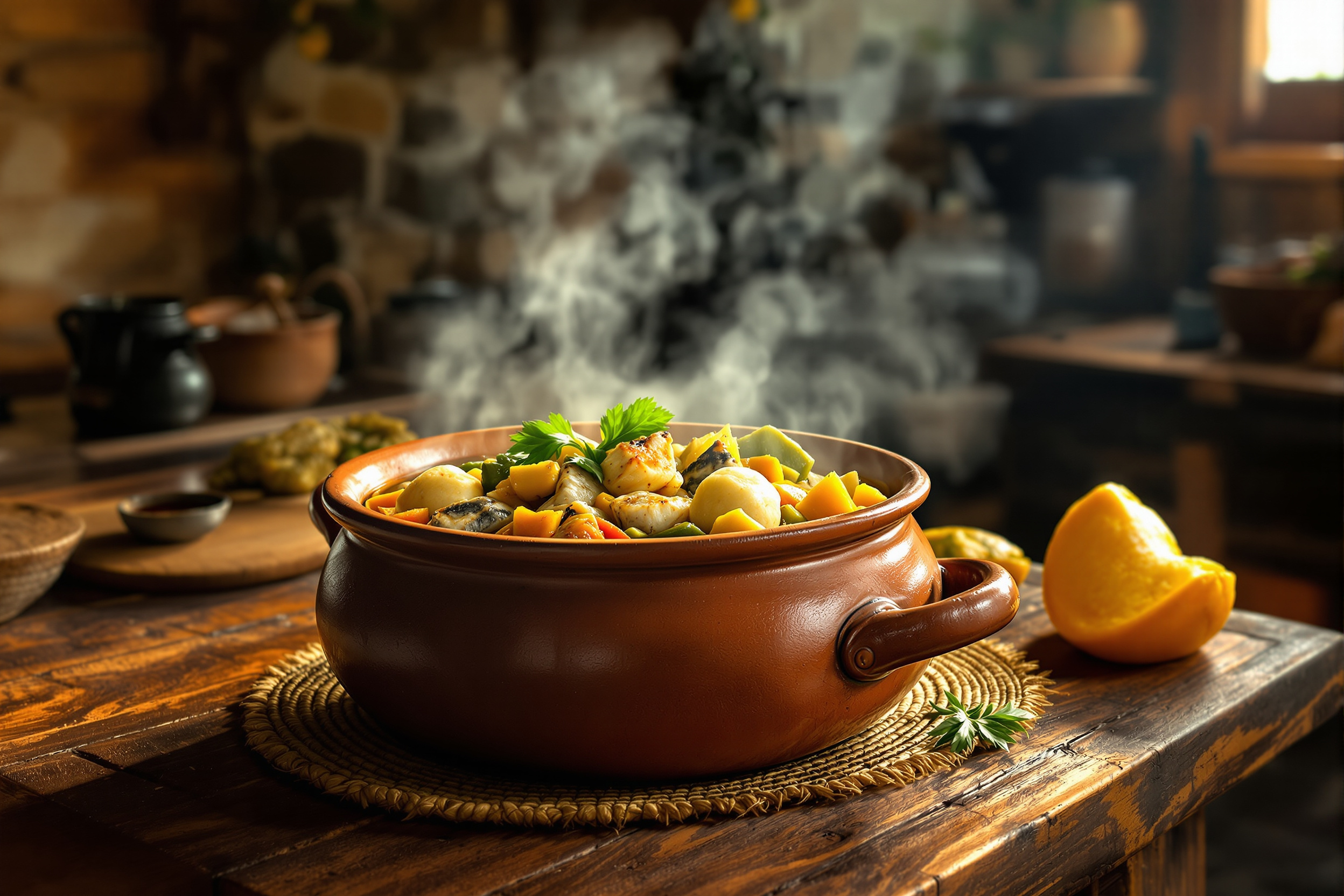
If you eat one thing on San Andres, make it rondon (or 'run down'). This slow-simmered one-pot stew is the island's signature dish: fish and often conch, snail or pig tail cooked down in coconut milk with breadfruit, cassava, yam, green plantain and dumplings, spiced with pepper and thyme. It takes hours to make, so the best versions come from home kitchens and traditional restaurants that prepare it to order or on set days - ask ahead. A good rondon is rich, fragrant and unforgettable.
The everyday classics
- Fried fish & coconut rice - the island staple: a whole fresh snapper, fried crisp, with rice cooked in coconut milk, patacones (fried green plantain) and salad. Simple and superb.
- Breadfruit - roasted, fried or boiled, this starchy island fruit turns up alongside almost everything.
- Crab & lobster - seasonal and best from the boats; caribbean spiny lobster grilled with garlic is a treat when it's fresh and legal to take.
- Coco loco - not food but essential: rum, coconut water and spirits served in a fresh coconut, the drink of Johnny Cay.
- Sweets - look for coconut cake, tamarind balls and 'bon' (a spiced coconut bread).
Where to eat
The most authentic eating is at small local spots rather than resort buffets. Down at the end of Bahia Sardina, The Fisherman's Place (El Pescadero) serves fish bought straight from the fishermen. The San Luis and La Loma neighbourhoods, the Raizal heart of the island, hide family-run kitchens known for rondon and fried fish, and the long-loved spots around South End come up again and again from islanders. As a rule, follow the locals, eat where the fish is landed, and don't be afraid of a plastic chair and a hand-written menu.
Eating with a conscience
Choosing native-owned restaurants keeps tourism money in the Raizal community, and asking where your seafood comes from helps protect the reef - avoid undersized lobster and conch taken out of season. The reward for eating thoughtfully is the same as the reward for eating well here: a plate of food that tastes completely of this place.
Hungry for the setting as much as the food? Read about The Fisherman's Place and the beaches and culture in The Island.